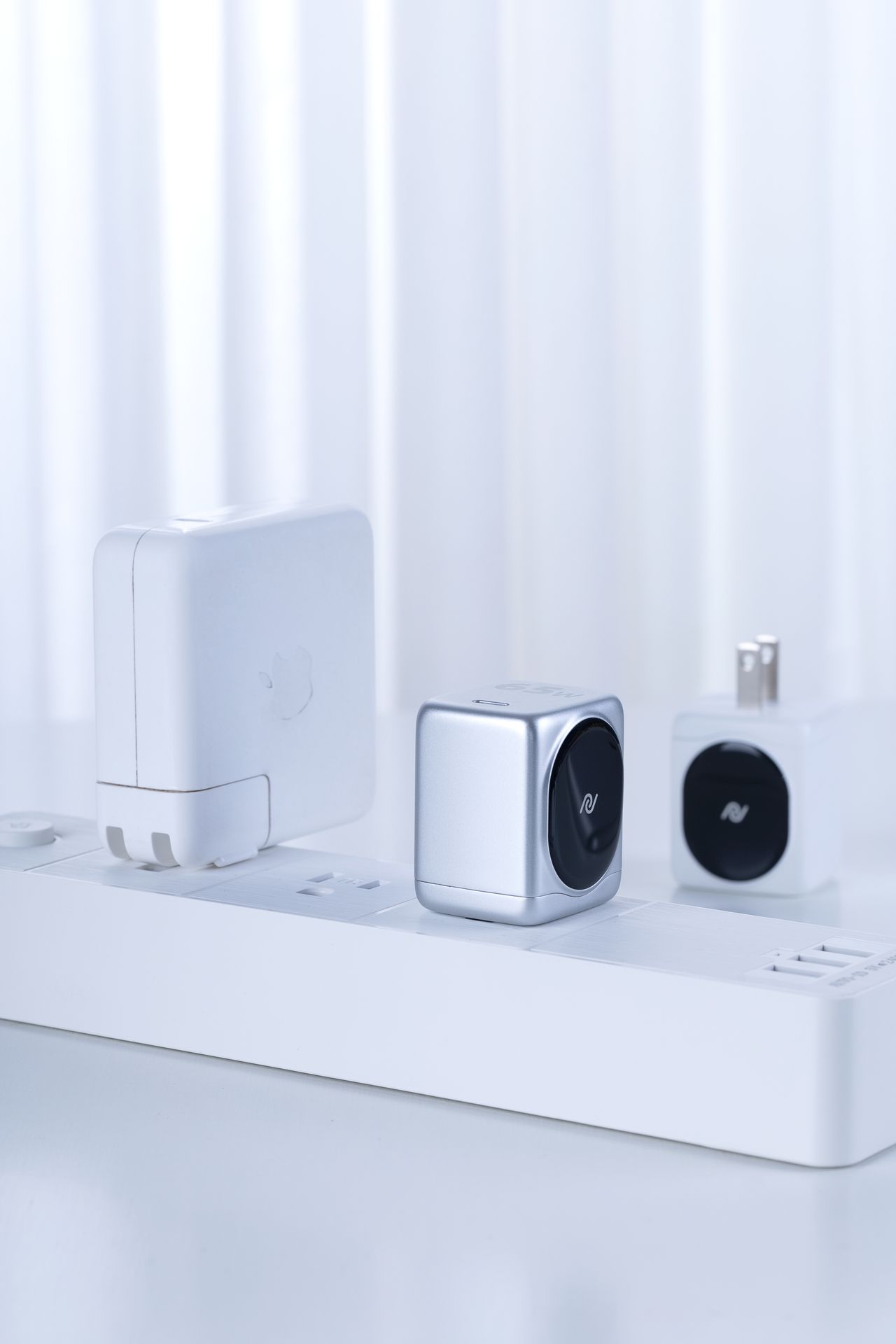
A monitor, laptop, lamp, and chargers can require more outlets than expected when a desk is first installed. Plan the equipment and its supply before hiding a power strip behind furniture. Empty sockets alone do not establish that the arrangement is suitable for the total connected load.
Make an equipment list
Record devices used permanently and occasionally. Include a printer or other equipment that may operate on the same circuit. Read power information on the equipment or in its instructions instead of estimating from the physical size of a power supply. Where the installation is uncertain, have a qualified person assess it.
Check the ratings of power strips and extension cords. Do not casually expand the possible load by adding more distribution devices. A protective switch or marketing description does not replace suitable capacity. Use products only in their intended environment and according to their instructions.
Keep connections accessible
Position the strip so it remains operable and cables are not under tension. If mounting it to the desk, use an arrangement appropriate for the product. Power supplies should not cover ventilation openings or hang unsupported from their cords. Keep liquids away from electrical connections.
Inspect cable routes beneath the desk. Doors, drawers, and chair wheels can damage insulation. For moving furniture, test the full range of motion. Do not improvise repairs to damaged mains cables with tape. Use an undamaged replacement or arrange appropriate professional examination instead.
Treat additions as a new check
Review the arrangement when another device is added. An available socket does not prove there is sufficient capacity. Chained strips and increasingly long extensions make the supply harder to understand. Additional permanent outlets should be planned and installed by a properly qualified professional.
Label connections so individual devices can be disconnected deliberately during maintenance. Keep the information supplied with the power strips, and inspect the arrangement after moving furniture. Unusual odor, visible damage, or unexpected heating is not a reason to keep experimenting. Disconnect affected equipment where this can be done safely and have the cause investigated. A useful plan leaves room for maintenance as well as for ordinary daily operation.